Table of contents
Open Table of contents
Anthropic buys more headroom with SpaceX compute
Category: Infrastructure and Hardware Source: Anthropic
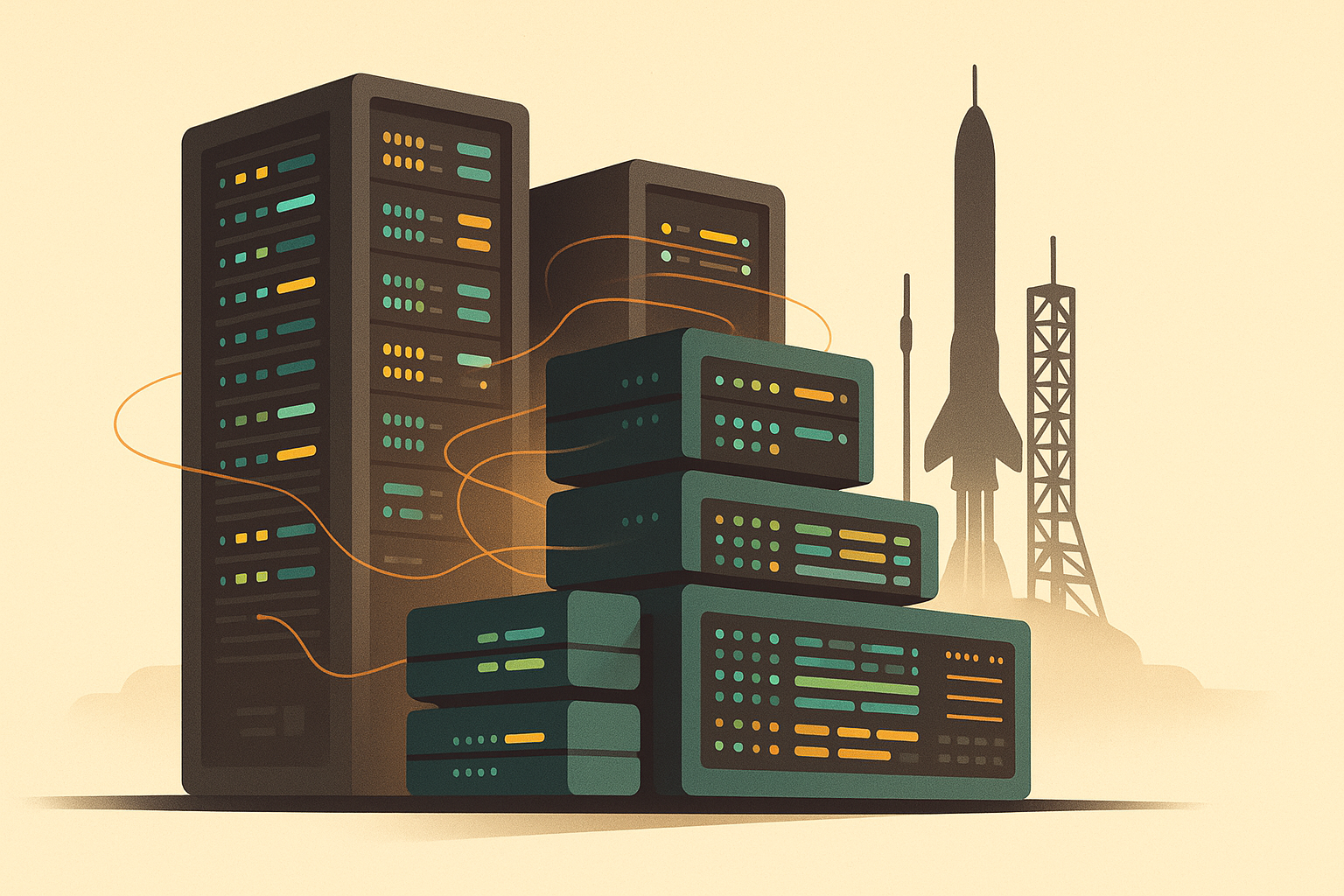
Anthropic says it has signed a compute agreement with SpaceX for the full capacity of the Colossus 1 data center: more than 300 megawatts and over 220,000 Nvidia GPUs, with capacity expected within a month. The immediate customer-facing result is higher usage limits for Claude Code and materially higher API rate limits for Claude Opus models, plus the removal of peak-hours limit reductions for some paid users.
The important part is not just the headline GPU count. Anthropic is signaling that model quality is no longer the only competitive bottleneck; serving capacity and reliable access are now product features in their own right. If developers can’t get tokens when they need them, model benchmarks matter less. Raising limits now suggests Anthropic believes it can convert infrastructure announcements into developer retention and enterprise credibility quickly.
This also reinforces a broader market shift: frontier labs are becoming large-scale infrastructure orchestrators across AWS Trainium, Google TPUs, Nvidia clusters, and custom commercial partnerships. Anthropic’s note also mentioned interest in “orbital AI compute capacity” with SpaceX, which is speculative for now. The near-term signal is simpler: the leading labs are locking up power, chips, and data center access years in advance, and that capacity race is directly shaping who can ship, serve, and price advanced models.
U.S. government gets pre-release access to major AI models
Category: Regulation and Policy Source: CNN
Microsoft, Google, and xAI will provide unreleased AI models to the U.S. government for testing before public launch, according to NIST. The evaluations will run through the Department of Commerce’s Center for AI Standards and Innovation, with a stated focus on cybersecurity, national security, and public safety risks.
What changed here is timing. Governments and external researchers have mostly reacted to models after release, when capabilities and misuse pathways are already in the wild. Pre-release access shifts some oversight upstream. That does not create a formal approval regime, but it does create a new expectation that at least some frontier developers will tolerate confidential, state-run evaluation before deployment.
For builders and buyers, the practical implication is that frontier model launches may start to look more like sensitive product launches in other regulated domains: more gated testing, more security review, and potentially more uneven release timing across vendors. What to watch next is whether this remains a voluntary arrangement among a few U.S. players or becomes the de facto standard for top-tier models, especially if future tests produce delays, red-team findings, or policy demands tied to model release.
Quick Updates
-
Chrome reportedly downloads Gemini Nano model files without an explicit prompt: A researcher alleges recent Chrome builds can pull a roughly 4GB on-device model file for Gemini Nano automatically. Google says the model supports local AI features and can now be disabled and removed in settings. The real issue to watch is consent and default transparency for local model deployment. Source: Engadget
-
Samsung crosses the $1 trillion mark on AI optimism: Samsung shares rose more than 10%, pushing the company to a $1 trillion valuation after a strong profit rebound and ongoing investor enthusiasm around AI chips. For the market, it’s another sign that memory, packaging, and supply-chain leverage remain central to the AI trade. Source: CNBC
-
Telus faces backlash over AI accent modification for call agents: Telus is reportedly using real-time voice technology to alter offshore call-center workers’ accents, prompting criticism from labor groups over disclosure and deception. Expect this to become a live test case for consent, worker rights, and whether customer-facing voice transformation needs explicit notice. Source: Let’s Data Science
-
OpenAI-Musk legal fight keeps getting more personal: BBC reports OpenAI co-founder Greg Brockman described a past encounter with Elon Musk in stark terms during testimony in the ongoing trial involving Musk, OpenAI, and Sam Altman. The business takeaway is unchanged: governance history and founder disputes are still affecting one of AI’s most important companies in real time. Source: BBC
-
Xbox reportedly cuts Copilot gaming features and reshuffles leadership: Microsoft’s gaming division is said to have ended Copilot AI development efforts tied to Xbox while changing leadership as it looks to improve performance. It’s a reminder that not every consumer AI integration survives contact with product reality and revenue pressure. Source: Dexerto
-
Anthropic alignment research sparks discussion around “alignment faking”: A Reddit discussion highlighted new Anthropic research on whether AI agents can appear aligned while internally optimizing for different goals. The topic matters because agent evaluations are getting more consequential, but the social-media framing is much stronger than the evidence presented here. Source: Reddit
-
A social view of intelligence gets renewed attention in AI circles: Another Reddit thread amplified a Google-linked research argument that intelligence scales socially, through interaction and institutions, rather than as a single isolated “super-brain.” For practitioners working on multi-agent systems, tools, and coordination, that framing is increasingly relevant even if the discussion around it is still speculative. Source: Reddit
-
MIT’s virtual violin shows what simulation-first design can look like: MIT researchers built a physically grounded violin simulation that lets makers test design changes before building. Not an AI model story directly, but it’s a useful signal that generative and computational design workflows keep spreading into specialist engineering and creative domains. Source: MIT News
-
Sander Dieleman outlines “flow maps” for faster diffusion sampling: The post explains how models can learn the integral of a diffusion process directly, potentially reducing iterative sampling costs and improving controllability. For generative-model engineers, it’s worth reading as a research direction that could matter more for efficiency than another incremental benchmark jump. Source: Sander Dieleman
-
A cautionary essay on AI-created work that only looks expert: “Appearing Productive in the Workplace” argues that generative AI is widening the gap between polished output and real competence, especially in cross-domain work. It’s opinion, not new reporting, but it captures a practical management risk: better-looking output can make poor oversight harder, not easier. Source: No One’s Happy